

I Review I Michael
"Spread joy, love, and peace. That is what I want the world to feel, magic."

Michael Jackson is not just one of many pop stars; he is the pop star. However, like any other human, Jackson was not born a god; instead, he was one of ten children in a poor family, with huge potential and a father to exploit that talent.
Since the successful release of the Queen biopic “Bohemian Rhapsody” in 2018, there has been an ongoing trend in Hollywood of movies that follow the turbulent lives and careers of music’s biggest personalities. It outgrossed its own budget by over seventeen times and was also nominated for a multitude of awards, including five Oscars. This triumph prompted a race between the big studios to scour the pop culture history books in search of the next musician whose life story they could turn into a blockbuster. And ever since 2018, every year’s slate of releases has included a handful of musician biopics, such as “Elvis”, “Rocketman”, or “Back To Black”. After the king of rock, the king of R&B, and many other kings and queens had their cinematic turn, it was only a matter of time before the king of pop himself would be honoured with his own movie.
“Michael” is a biographical drama directed by Antoine Fuqua and written by John Logan. The movie stars Jackson’s nephew Jaafar Jackson, Colman Domingo, and Miles Teller. It follows the life of Michael Jackson, highlighting the beginning of his career as a member of the Jackson 5 in the 1960s, and his meteoric rise to global stardom up until the Bad tour in the 1980s.
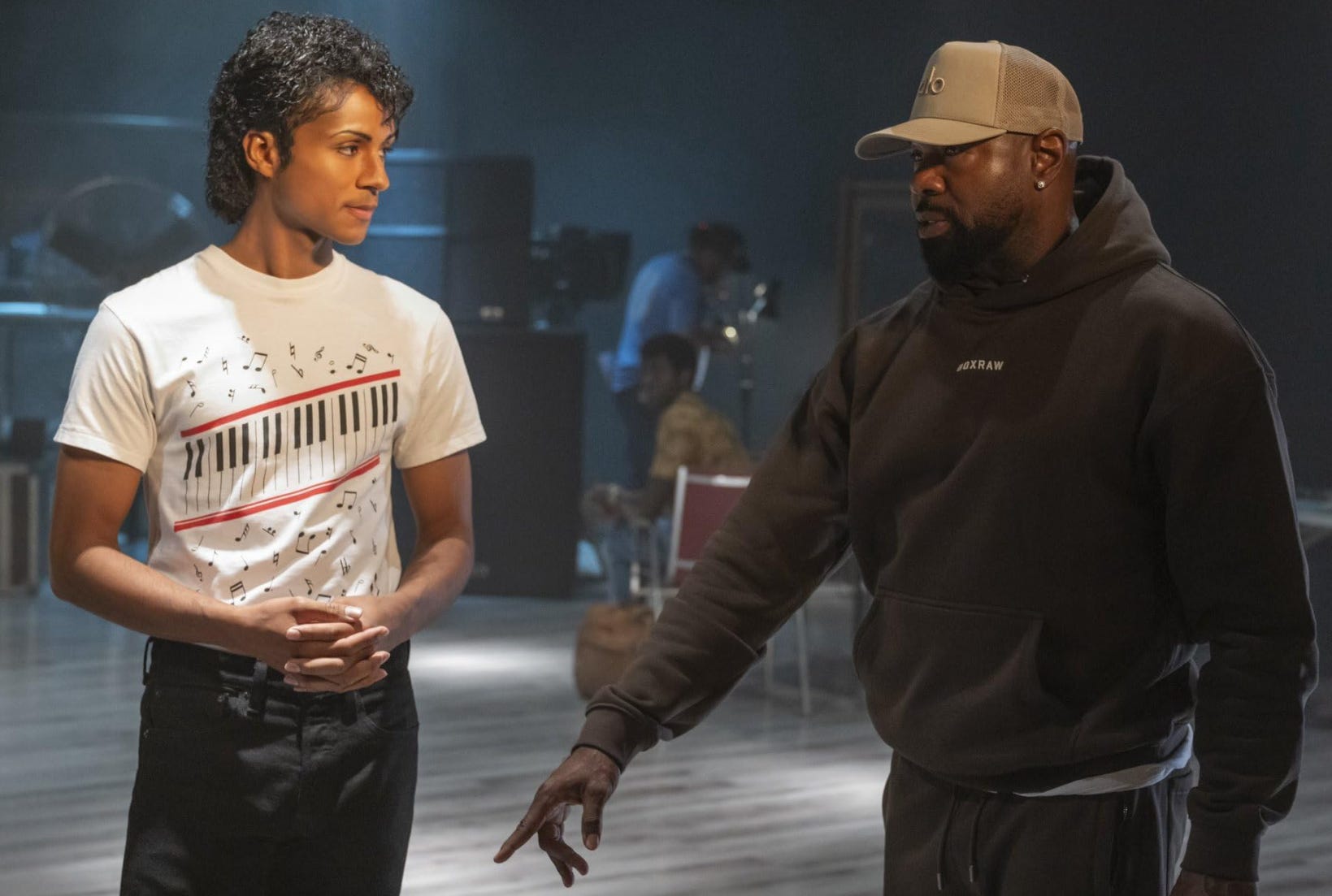
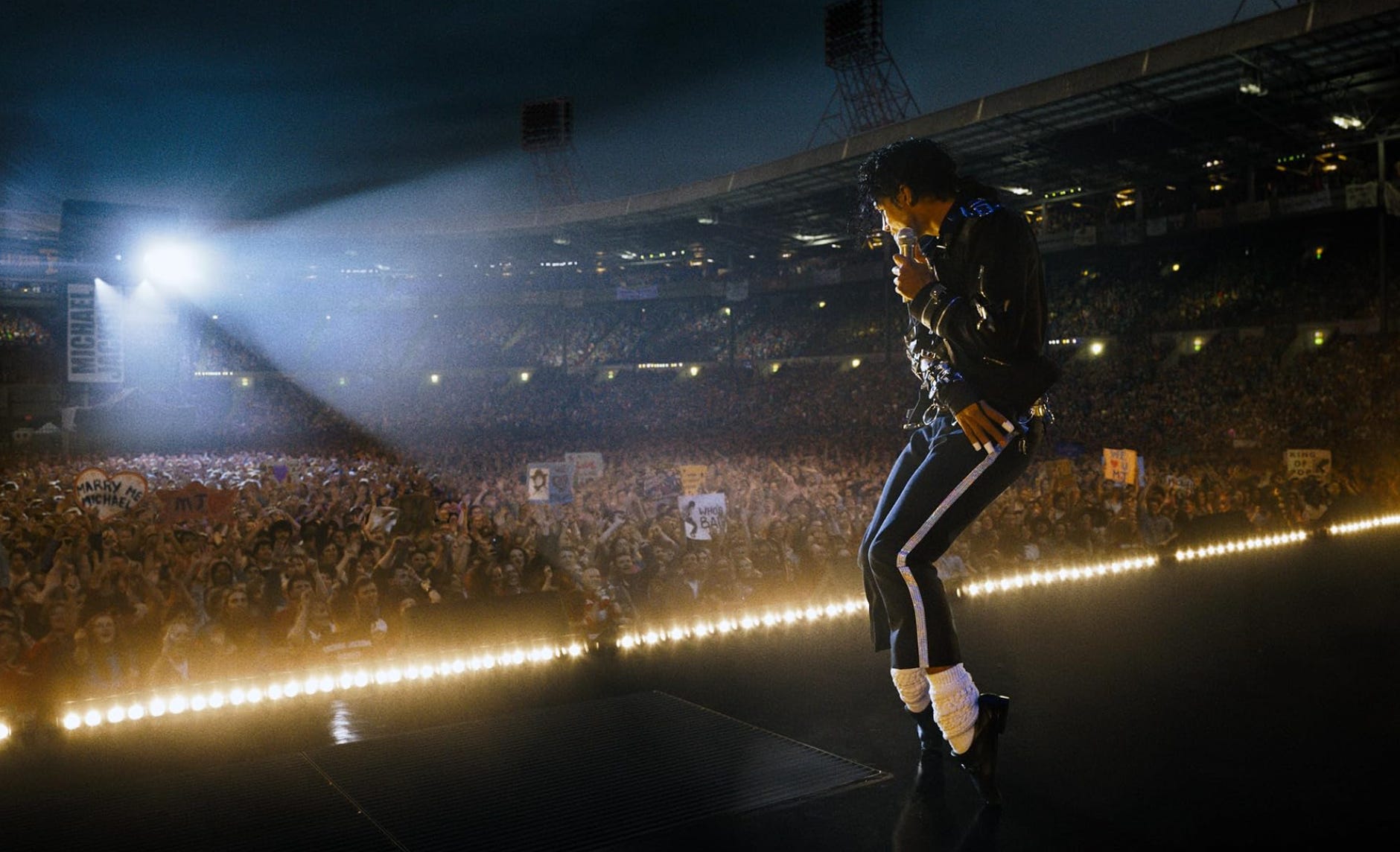
Director Antoine Fuqua is best known for directing gritty and high-stakes action thrillers, such as the award-winning “Training Day” or the “Equalizer” movies. However, in “Michael”, Fuqua’s stylish, high-contrast visuals are nowhere to be found. In an attempt to portray the prolific singer in the best light possible, he appears to have abandoned his directorial style and decided to play it safe. Sadly, he played it too safe. Throughout the movie, there are no interesting or innovative directorial choices, and while never overtly bad, Fuqua offers nothing to be intrigued by or to think about. “Michael’s” cinematography is bland, the lighting is flat, and the editing is merely functional. The musical sequences, in which Jackson stands on a stadium stage and performs in front of thousands of people, are a visual highlight of the movie, but even if they are grand in scope, they do not evoke any form of emotion.
Like the movie’s visual elements, “Michael’s” script feels like it merely scratches the surface of Michael Jackson’s persona. Logan’s interpretation of his life reads like that of a fan. He does a great job portraying Jackson the popstar, infused with an idealistic perspective on his endless ambition for stardom and innate desire to create music that brings people together. Even so, Logan fails to show Jackson, or any other character, as fully fleshed-out human beings: Jackson is a flawless, artistic figure who loves and takes care of children and animals; his father Joe is a comically villainous tyrant; and his siblings are like shadows acting more as a backdrop to Jackson’s life than as their own characters. The movie’s story feels more like a summary of Jackson’s biggest moments, accompanied by his greatest hits, rather than an earnest examination of his character.
For leading actor Jaafar Jackson, “Michael” is not only an opportunity to honour the legacy of his uncle, but also his introduction to the industry, as this is his first-ever role in a movie. Jackson excels in portraying his uncle’s mannerisms and tone, making the audience forget that they are not watching the real Michael Jackson on screen. Especially in the moments when Michael sings or dances, Jaafar gets to demonstrate his ambitious physicality and proficient vocal skills. Yet the script gives Jaafar little emotional depth to play with, and even the moments that allude to any kind of sentiment feel small and constrained. Jackson’s performance is a great impersonation of Michael, but, not through his own volition, never a good exploration.
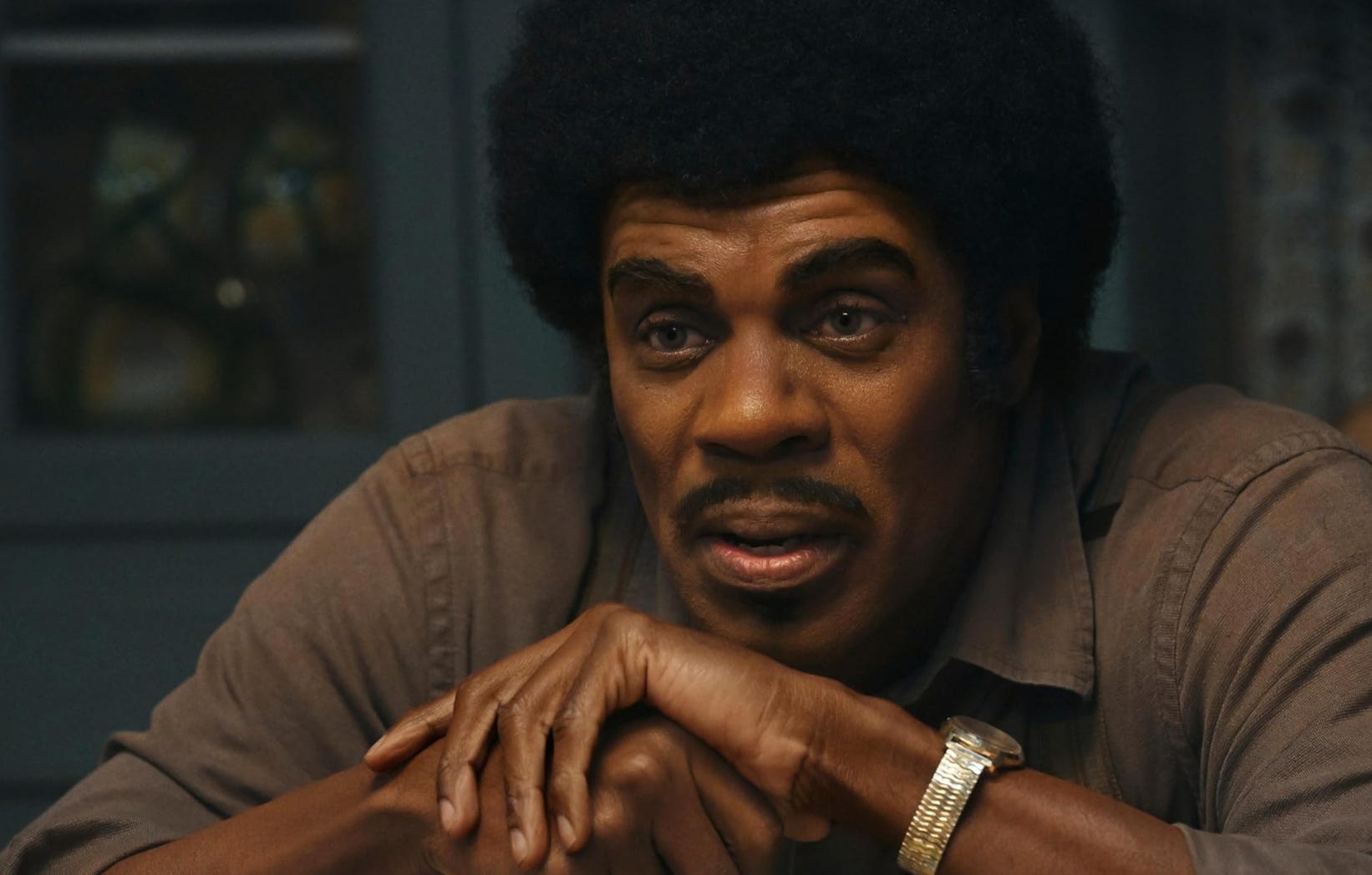
Another notable performance is that of Colman Domingo as Michael’s father, Joseph Jackson. His restlessness to save his family from poverty by utilising his kids’ talents is a familiar concept. The subsequent oppression and exploitation of his children, and his never-ending greed, therefore, feel visceral, causing the audience to feel uneasy every time he appears on screen. Nevertheless, his character is not the shining beacon of writing in the midst of caricatural characters. Joe’s motivation, which at its core is good, as well as his love for his family and fall from grace as Michael takes more control of his own life, could have been detailed with more nuance and dedication. Domingo’s character sadly reads more like a menacing Disney villain than a layered man whose ambition spiraled into abuse.
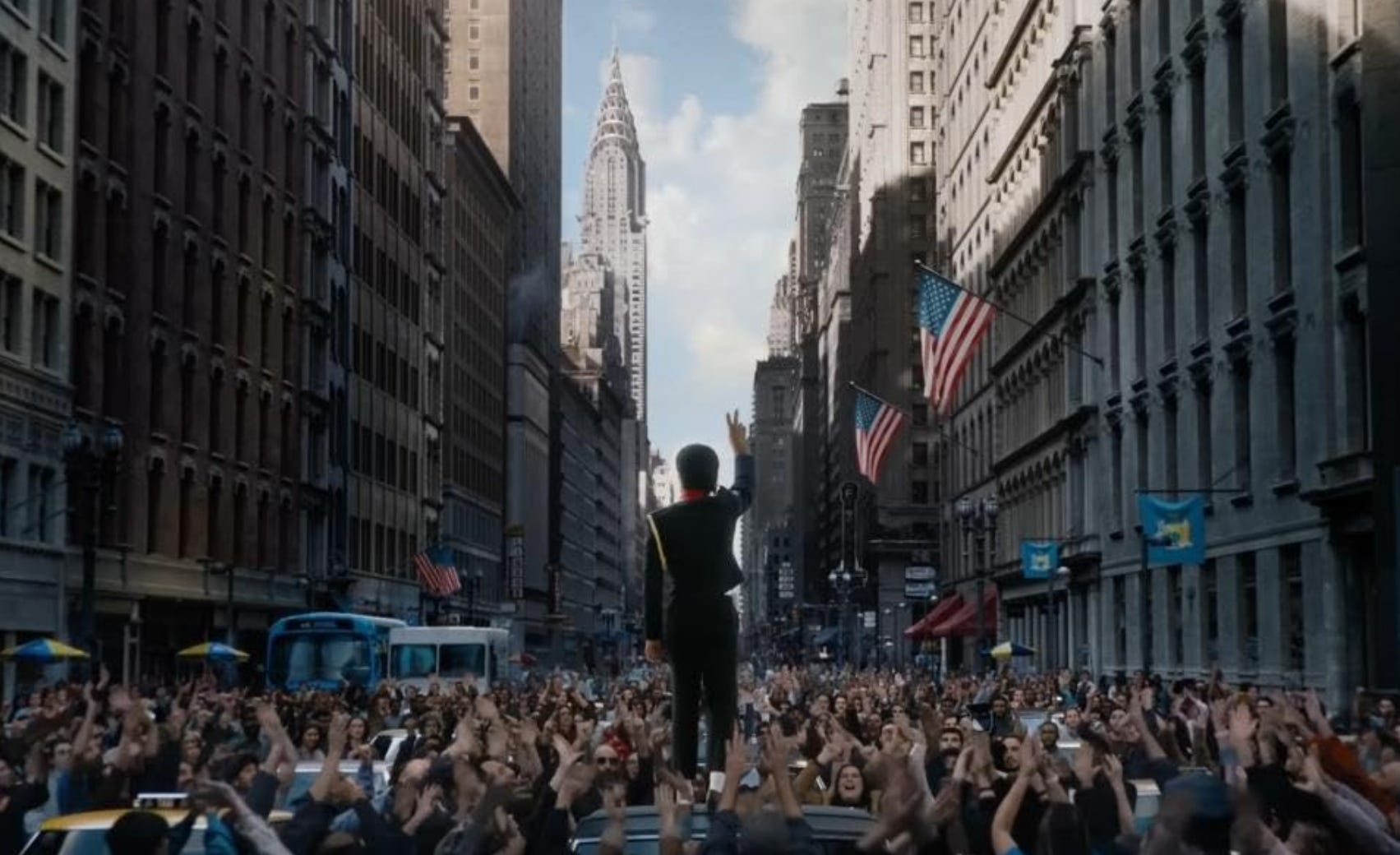
Most of the movie’s flaws go back to one problem: the excessive control that the Jackson estate appears to have over “Michael”. The movie omits any flaws, ambiguity, or controversies orbiting Michael Jackson’s legacy, such as his obsession with plastic surgery, his drug usage, or his allegations of sexual abuse. Leaving out those scandals is understandable to a certain degree, but referring to them would have added complexity. Instead, “Michael” feels more like a polished showreel that is not interested in delving into the emotions of the biggest pop star in existence but rather painting him as a saint and perfect human.
In summary, “Michael” is a middling at best entry into the generic biopic formula, in which the musician’s life is condensed into a CliffsNotes-style summary. It offers spectacle and nostalgia, but little deeper meaning. Before watching the movie, I was not particularly interested in Michael Jackson, but watching his creative process and performances on screen made me want to explore more of his discography. If I wanted to understand Michael Jackson as a person more, though, I would rather watch a documentary instead.